 Bulky Buddy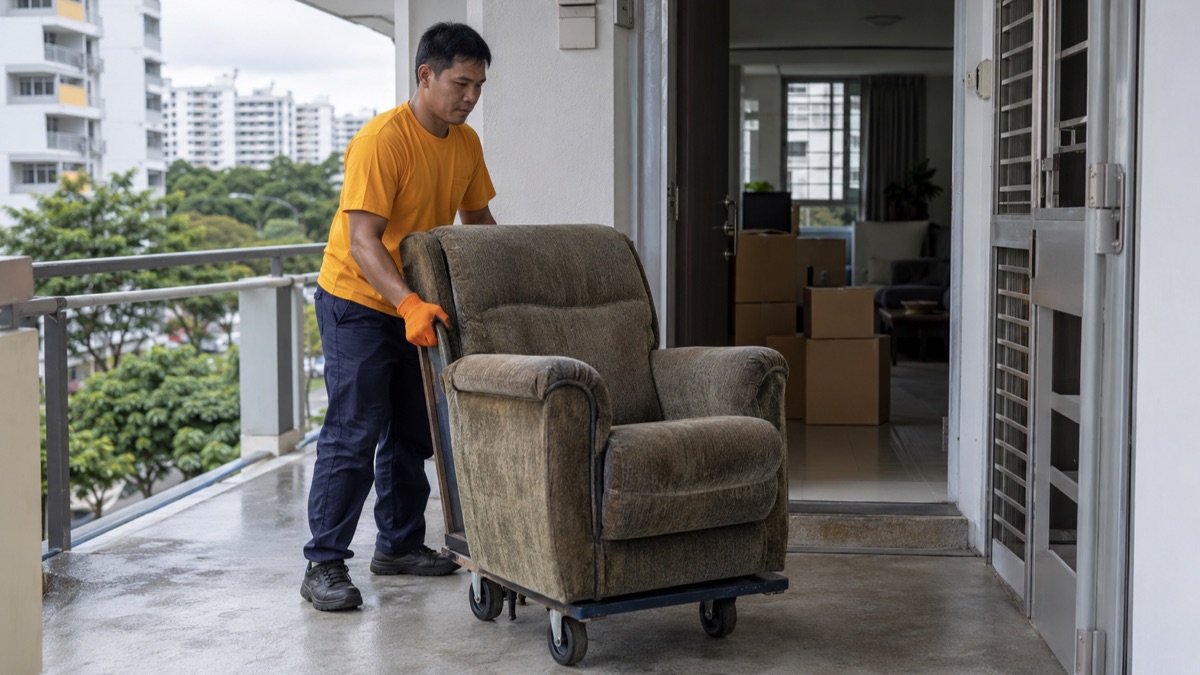
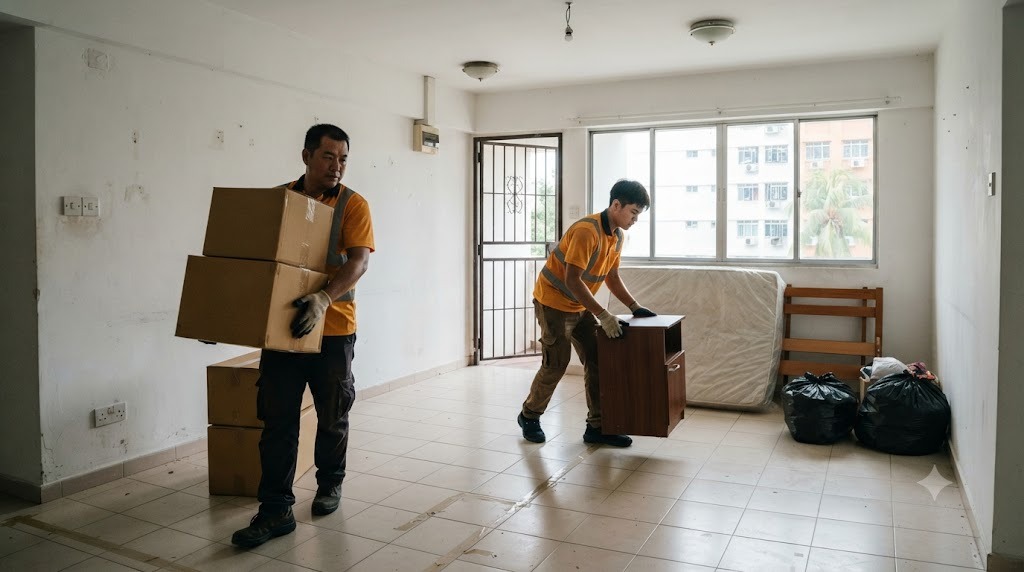
Furniture removal in Singapore can mean moving a piece to another home or taking it away for good. Need it at the new address? Book a mover. Finished with it? Book disposal and put the unwanted pieces on their own list.
Bulky Buddy does disposal, not house moves. You might need both services for the same flat, but the instructions are different. Start with where each piece is going. The word “removal” on a website won't sort that out for you.
Send photos of the items, your floor and the collection route for a fixed quote.
Get my price on WhatsAppAsk where the furniture is meant to end up
Say you're keeping the dining table but replacing the L-shaped sofa. The table needs delivery to your new home, with handling and any reassembly settled with the mover. The sofa needs disposal. Both leave through the same HDB doorway; only one should turn up in your next living room.
Make three lists: new home, staying here, disposal. Keep a fourth, pending list for the cabinet your brother might want or the desk awaiting a buyer. Do this while the furniture is still in its usual place. “Remove everything in this room” is a poor instruction when half the room is meant to come back.
Moving, disposal and donation are separate arrangements
A move delivers your belongings to an address you specify. Disposal releases the unwanted items for the waste route you've booked. Donation and resale need somebody at the other end who wants the piece, plus a way to get it there. Put the destination in the message instead of expecting a crew to infer it.
For example, “take this sofa to my sister's flat” is a transport request. “Take this sofa away for disposal” is ours. A charity enquiry needs an acceptance first; NEA's reuse directory is a starting point. Our disposal quote does not include relocating, storing, selling or finding a donation home for furniture.
Why a moving crew may decline disposal
Your mover may have quoted only for the trip to the new address. The unwanted pieces, a disposal route or the extra time may sit outside that booking. Ask while you're arranging the move, not while the crew is carrying the first box. A lorry has wheels; it doesn't come with every service automatically attached.
If a provider offers both, get the combined item list and destinations in writing. The old sofa goes for disposal; the dining set goes to the new flat. Name who handles each part, including the receiving channel for electrical items. That keeps a fridge mixed into the load from becoming an unanswered question at departure.
Plan the two visits around the furniture you still use
Clear unwanted pieces before the movers where practical. Start with the spare desk, damaged shelf or unused bed. That takes them out of the packing decisions. Keep everyday seating and your bed until you've worked out the final night. Decluttering should not leave you hunting for somewhere to sleep.
Write down four appointments: disposal, movers, access to the new home and handover of the old one. Leave space for a delayed buyer or an item that needs another look. If both crews must visit on Saturday, give them separate access windows. Two teams meeting head-on in a narrow corridor is a scheduling problem you can prevent.
Renting? Check the landlord's inventory before adding furniture to either load. The end-of-tenancy guide covers ownership and handback. If most of the flat's contents are unwanted, use the house-clearance guide to plan that bigger collection.
Write a brief that leaves no room for guessing
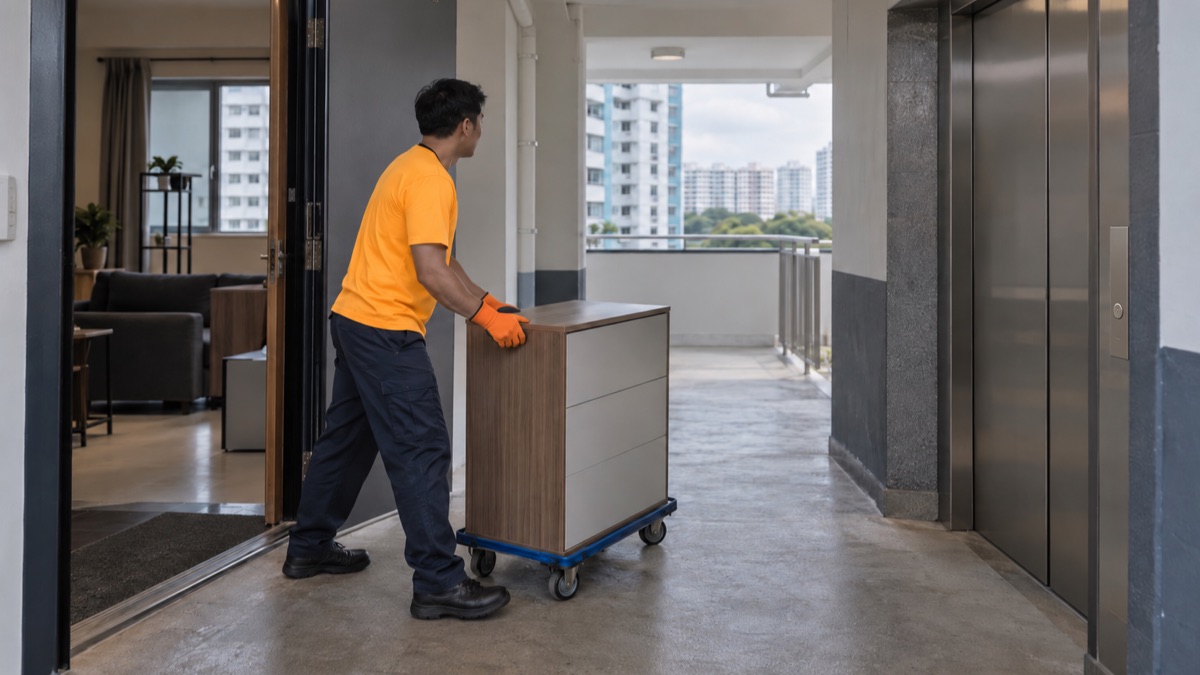
Describe the pieces as if the reader has never entered your flat. “Brown two-seat sofa by the window” beats “old sofa”, particularly when a second sofa is staying. Show shape and condition in the photos. Photograph assembled furniture first, and update the pictures if you've since taken it apart.
- To the mover: these items go to this address; here's the access at both ends and the packing or reassembly needed.
- To the disposal collector: these pieces leave permanently; here's the quantity, collection floor, dismantling and awkward access.
- To both: here's your arrival window, the person meeting you and what you must leave alone.
- For pending pieces: here's when I'll decide. Keep them off the booked list until the provider accepts the change.
Get a written reply that matches those photos. If it only says “furniture removal”, have the provider spell out the destination and included work. Keep the final message handy on collection day. You need an instruction the crew can follow, not a debate about what “clearance” means.
Prepare a keep zone and a clear release list
Put passports, keys, medicines and overnight bags in a room or corner away from the disposal pieces. Say your travel bag is resting on the cabinet that is leaving: move the bag now. Labels help the household sort, but walk the crew through the list too. A loose sticker should not decide what leaves your home.
Count pieces as they go. If a wardrobe still contains unsorted belongings, hold that piece back while the rest of the job is reviewed. Settle ownership before dismantling starts. Tell the crew if your brother is collecting the desk later; the desk is his arrangement, not part of their load. Use one person to approve changes so the instructions stay consistent.
Ready to arrange collection? Show us the agreed items and your preferred timing.
Get my price on WhatsAppHandle changes before they become loading-day surprises
Buyer cancelled? Send the collector the extra piece and get the scope and quote updated. New home delayed? Speak to the mover about your options. Furniture you still want belongs in that conversation, not in a disposal load. Changed your mind about keeping the armchair? Tell the crew while it's still in the flat.
If time is tight, send the final list and the latest time the crew can enter when requesting a same-day collection. Wait for an actual slot, and leave disputed pieces out of the rush. Urgency does not make an undecided item ready to go.
For Bulky Buddy, the message is simple: these photos are the disposal items, this is the floor and route, and this is the access window. We turn that into a fixed, all-in quote. Your mover can then concentrate on what you want to see again at the other end.