 Bulky Buddy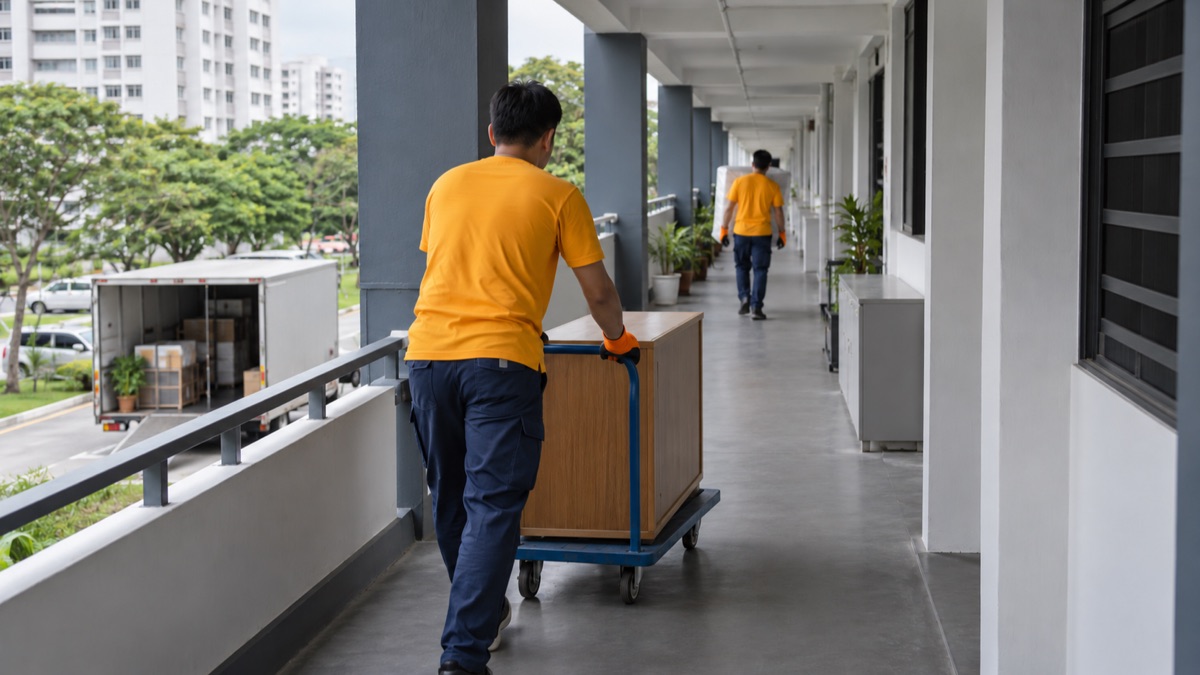
Disposal quotes depend on what is leaving, the work needed to move it and the route to the collection vehicle. Send photos of the whole load, plus your floor and access details, to get a quote for the job you actually have.
That means the bed frame behind the sofa and the glass table in the next room too. A sofa-only photo cannot explain a three-item collection. For a narrower job, see our sofa disposal cost guide; for a workplace, use the office clearance cost guide.
Send photos of the items, your floor and the collection route for a fixed quote.
Get my price on WhatsAppVolume starts with a complete item list
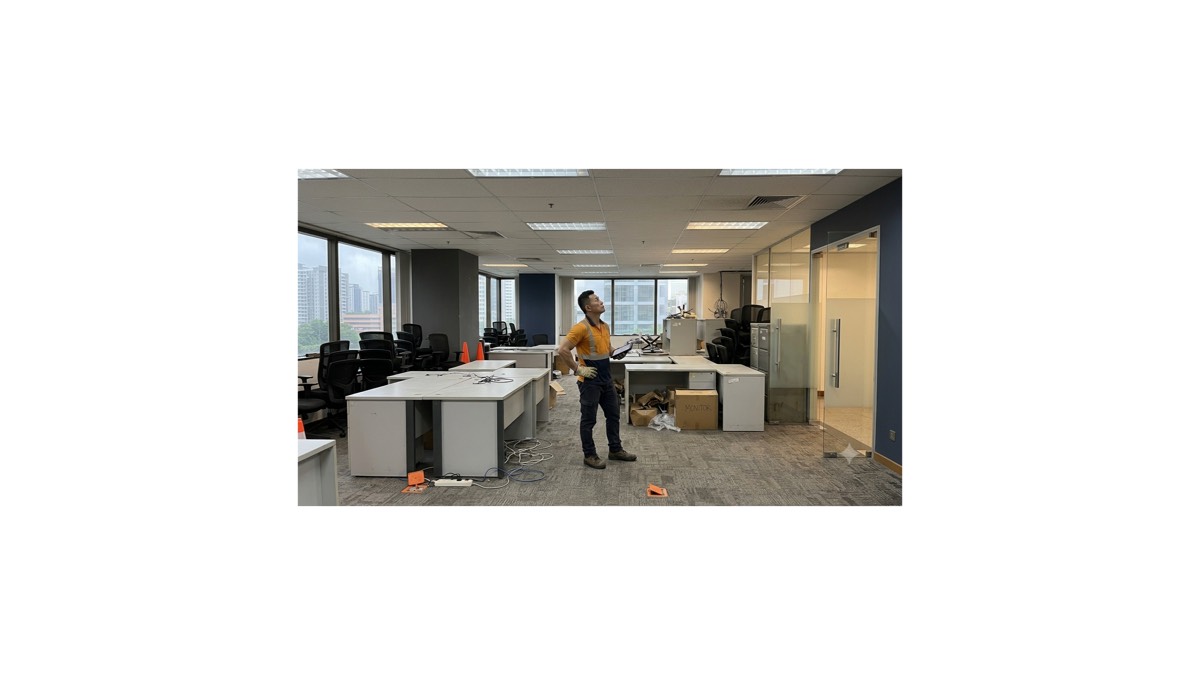
Count the items, then photograph them. Write “two cabinets, one mattress, one bed frame and four chairs”, rather than “bedroom furniture”. Show any loose shelves, detached panels and boxes of contents that need to leave with them.
Say you photograph an empty-looking TV console but plan to add six boxes from inside it. Those boxes belong in the brief. The collector needs to assess the load that reaches the vehicle, not just the furniture visible in the first picture.
You do not need to guess what fraction of a lorry your furniture fills. Clear photos and quantities are more useful. If some items can wait, request a quote for the combined job and the separate jobs. Compare the actual proposals; there is no automatic saving to assume either way.
Item type changes what needs assessing
A glass tabletop, a stone surface and a wooden cabinet are different things to handle. Show the material and construction you can identify. If you do not know what a heavy-looking top is made from, photograph it rather than inventing a weight.
Open a storage bed so its contents are visible. Show whether a wardrobe stands freely or is fixed to a wall. “One bed” or “one wardrobe” can hide much of the work, particularly when the furniture is still assembled and full.
For a mattress, send its actual dimensions or model details. Arriving compressed in a box does not prove it can be folded for removal. Our mattress and HDB lift guide explains which measurements help with planning the route.
List electrical items separately. Their accepted disposal channels need checking against NEA's e-waste guidance. An appliance in a mixed load needs a suitable route; that is not a reason to invent a blanket appliance surcharge.
Floor number is only part of access
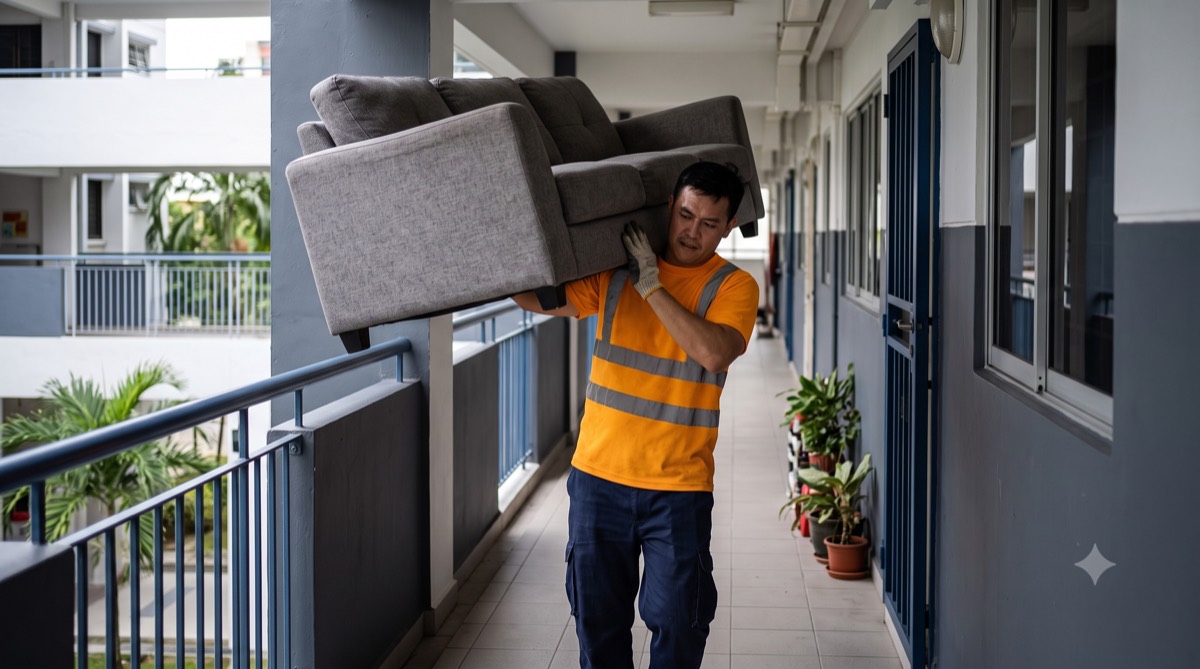
Tell the collector your floor, whether the lift serves it and where the steps are. The route starts at the item, not at the lift lobby. Bedroom doors, corridor turns and the building exit all belong in the picture.
For example, a low-floor flat with steps and a tight doorway presents a different job from a 12th-floor flat with a suitable lift route. “Second floor” alone does not settle the access question. Neither does “there's a lift”.
Take photos from the room to the lift and mark the narrow points. If a sofa only came in after someone removed its legs, include that detail. Do not tilt or carry heavy furniture just to test a doubtful gap. Flag the uncertainty so the collector can assess it.
Dismantling should be an agreed line of work
Show the furniture in its current state. An assembled wardrobe needs a different brief from stacked panels with the screws already bagged. State whether it is freestanding or wall-fixed and who is expected to take it apart.
The scope should cover the resulting pieces too: shelves, rails, panels and fixings. A bed frame is not fully cleared if its slats are still behind the bedroom door. Use the wardrobe disposal guide or bed frame guide for the details to photograph.
Taking furniture apart yourself does not guarantee a lower quote. Only do work you can handle safely, and let the collector know the resulting state. A half-dismantled cabinet with an unsupported glass door is not a useful head start.

Show the distance from the lift to the vehicle
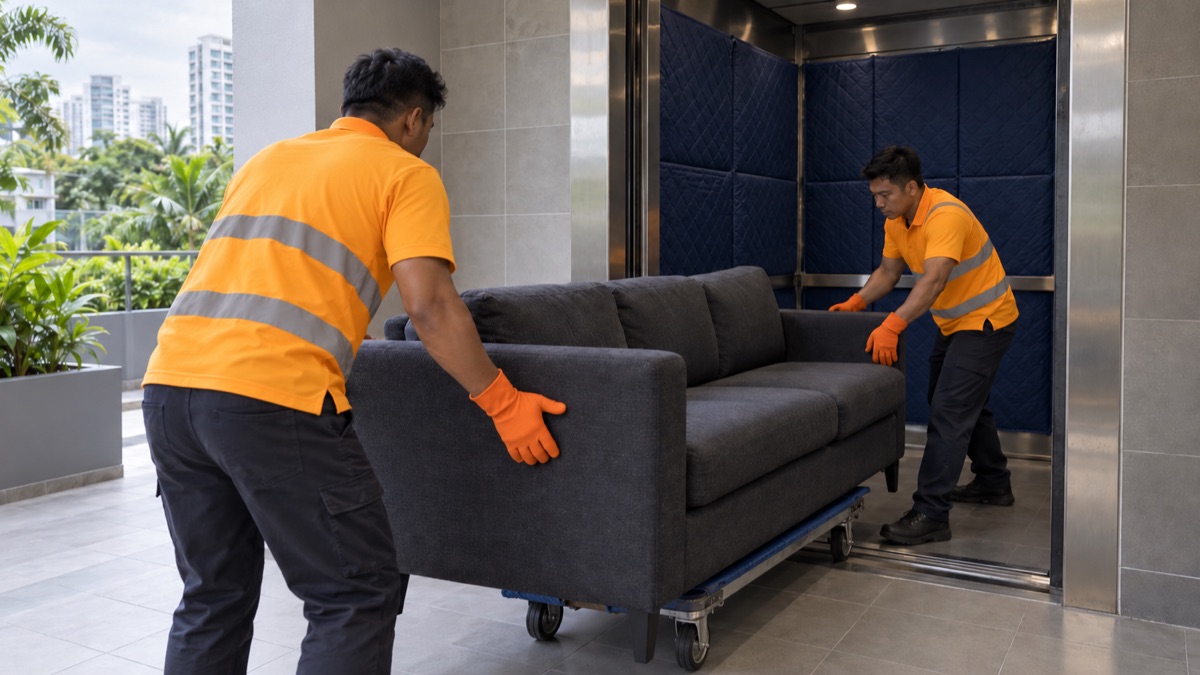
The carry does not end when the lift doors open downstairs. Show the covered walkway, basement route, slope or loading bay between the lift and the permitted stopping point. A short route video can explain what an item photo cannot.
Picture a dining table coming out at the lobby while the vehicle has to use a loading area around the building. That last stretch belongs in the quote brief. Otherwise the collector is planning a route that ends too early.
Get the permitted loading point and any vehicle height information from building management. Pass it on so the collector can plan the vehicle; do not guess clearance from memory. If the stopping point changes after booking, update the brief rather than saving the news for arrival.
Timing needs a confirmed slot at both ends
Give your real deadline and the times you can offer. A flexible weekday collection, a same-day request and a handover deadline need different scheduling discussions. Get a quote for an available slot instead of assuming a universal rush surcharge or weekday discount.
For a condo, line up the crew's availability with management's lift booking, work hours and loading arrangements. Our condo disposal guide covers that planning. A free afternoon in your calendar is only half a booking.
Check any deposit directly with your condo management and keep it separate from the collection quote. Also settle how an access delay would be handled. This keeps building payments, collection charges and scheduling questions from becoming one muddled total.
Ready to arrange collection? Show us the agreed items and your preferred timing.
Get my price on WhatsAppSend a quote brief that someone can check
Put the photos, quantities, materials, floor, route and timing in one message. Include dismantling and anything still uncertain, such as a buyer collecting the dining set. That gives the collector a complete job to assess.
Keep this final check beside the written quote:
- Load: every item and loose part is listed, with quantities.
- Carrying: the starting room, stairs, lift and vehicle route are covered.
- Preparation: it is clear who empties or dismantles each item.
- Changes: you know which item, access or timing changes need a fresh check.
- Record: you have the final scope, collection slot and payment terms together.
Say an extra cabinet joins the pile after booking, or management withdraws the lift slot. Send the update promptly. A fixed quote applies to the specified job; it cannot describe a cabinet nobody has seen or an unavailable route.
With Bulky Buddy, send your photos on WhatsApp and we will give you a fixed all-in quote for the agreed work. Show us the whole job once. It saves a lot of “oh, and this too” at the front door.