 Bulky Buddy
When clearing a loved one's home, check with the estate's executor or administrator before selling, donating or disposing of anything. Set aside documents, valuables and belongings the family has not decided on. Book collection only for the items approved to leave.
You can start with one drawer or one room. There is no need to decide the future of a much-loved armchair while a crew waits outside. A small, clearly agreed collection can be enough for now.
Send photos of the items, your floor and the collection route for a fixed quote.
Get my price on WhatsAppConfirm who can authorise the clearance
The Singapore Courts explain that a Grant of Probate legally recognises an executor, while Letters of Administration recognise an administrator. Speak with the person handling the estate about what may leave and which decisions need to wait. Booking a collection does not settle ownership or inheritance.
Choose one person to pass the agreed instructions to the crew. That person can arrange access and answer the door without having authority to release every belonging. Keep those roles clear, particularly when several relatives are helping.
If authority is unclear or relatives disagree, leave the item out of the collection. Take the question to the executor, administrator or their adviser. An available collection slot is not a reason to rush that decision.
Make the first visit a check, not a clearance
Walk through the rooms and note what needs checking. Take photographs for the family discussion, with an agreed way to share them privately. Record who has the keys, any building contact and who can be present for later visits.
Start somewhere manageable: a bedside drawer, for example, rather than the whole bedroom. Open it carefully and put uncertain contents in a keep-for-review box. An envelope among old receipts may need the estate representative's attention even if the furniture itself is unwanted.
Leave a simple note when you stop: “Top two drawers checked; bottom drawer still to review.” It tells the next person where to begin. You do not need to finish a cupboard because you started it, especially if the visit has become tiring.
Look for documents and valuables before furniture leaves
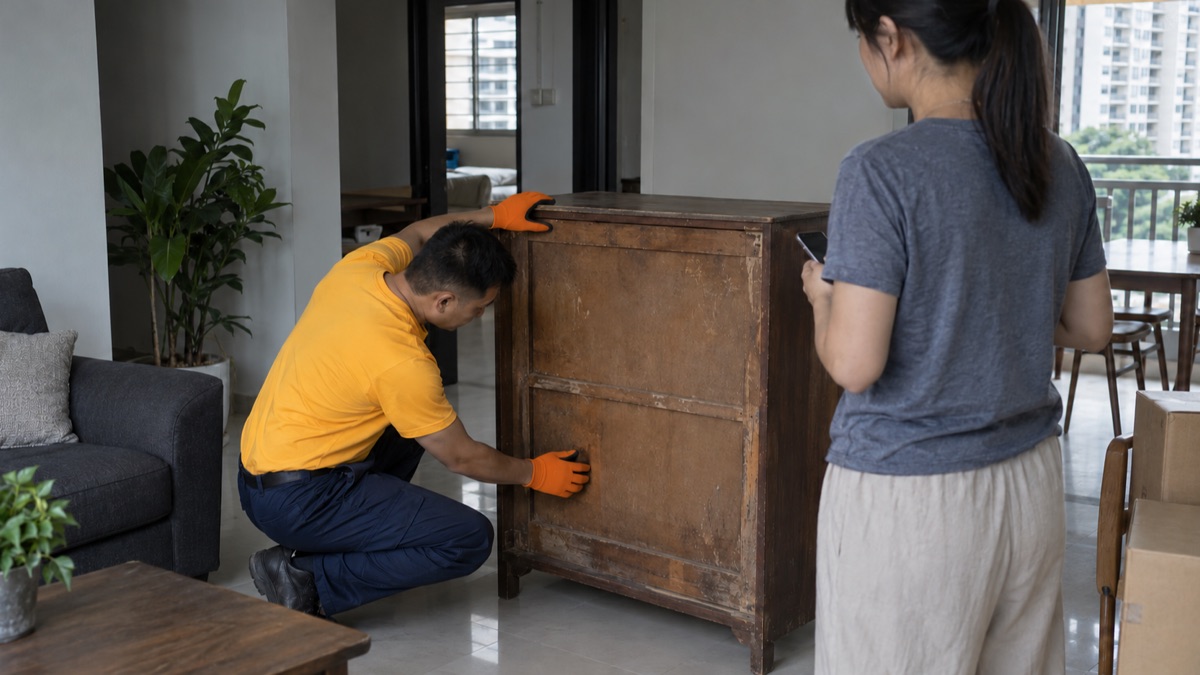
Check storage furniture while it is still in place. Work through accessible drawers, shelves and pockets; get help if reaching a space means moving a heavy piece. Keep papers together for the person managing the estate instead of making document-retention decisions during collection.
This is a useful list to take from room to room:
- Documents: wills, property or tenancy papers, bank and insurance letters, certificates and files for the estate representative.
- Small valuables: jewellery, watches, cash and keys, including anything tucked into boxes or clothing pockets.
- Personal records: notebooks, letters, photographs and albums for family review.
- Digital belongings: phones, computers, storage drives and memory cards.
- Daily essentials: access devices and anything needed by someone who continues to live in the home.
The list helps you look; it does not decide what must be kept or who inherits it. If a cabinet still holds papers awaiting review, leave the cabinet off the collection list. Empty storage furniture is much easier to release with confidence.
Sort into keep, offer, dispose and decide later
Give each group a separate place where space allows. The decide-later group matters just as much as the others. It gives an unresolved item somewhere safe to stay without holding up decisions that are already settled.
Be specific in the disposal list. If there are two similar wooden chests, write “three-drawer chest in the spare bedroom” and attach its photo. “The old chest” leaves the crew guessing about something they should not have to decide.
For usable pieces the estate representative has approved for release, the NEA reuse directory is a starting point for sale or donation enquiries. Keep the item pending until a recipient accepts that particular piece and collection is arranged. The family then knows whether it really has a new home.

Give family decisions a little structure
Use one shared list, a planned visit or photos of selected belongings. Let replies come through the coordinating contact so the collection list stays clear. For an item someone wants to keep, record who will collect it and when.
Say a relative wants the dining table but cannot collect it yet. Mark it as keep and leave it apart from the removal group. Its presence in a room being cleared does not make it part of that day's load.
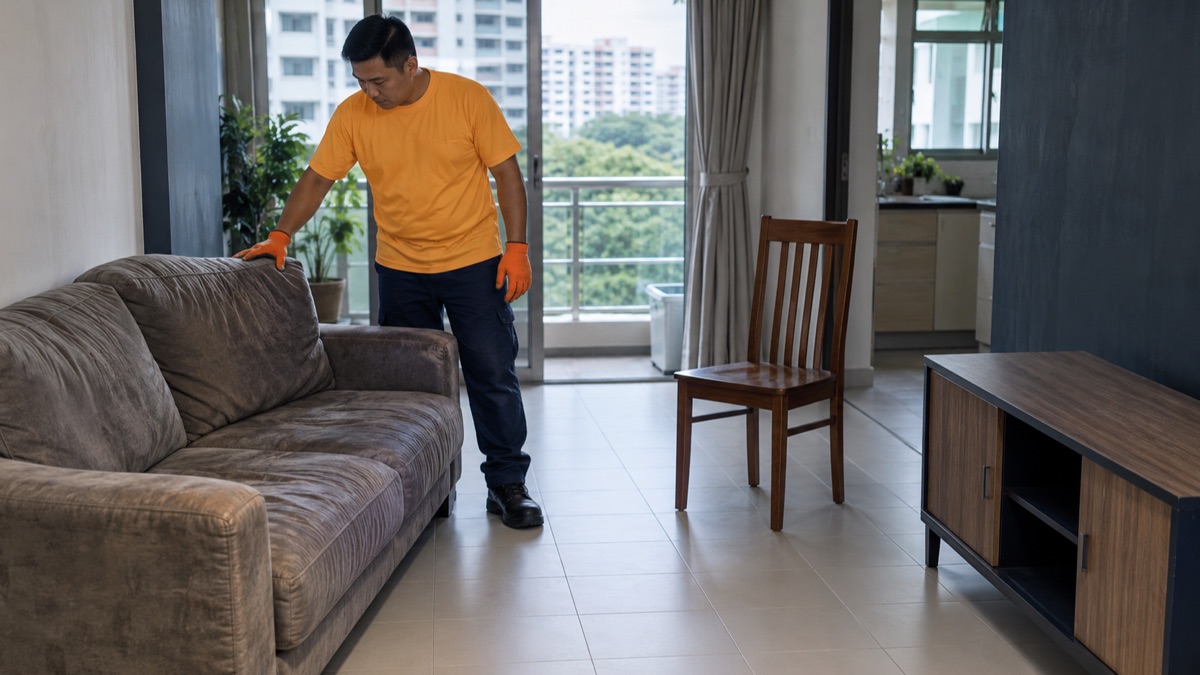
You can clear the living room and leave the bedroom untouched. Tell the collector which spaces are included. If someone changes their mind while an item is still in the flat, update the list and tell the crew. It is reasonable to pause an unresolved decision.
Check the property arrangements on their own terms
Get the access arrangements, handover requirements and relevant dates from the contact responsible for this property. For an HDB flat, check the particular situation with HDB and the person managing the estate. Another family's deadline does not establish yours.
For a condo, speak with management about the collection route and service-lift arrangements. Our condo guide covers those practical details. Once a property deadline is clear, work backwards while leaving time for family decisions.
Keep access and authority separate. A relative may hold the keys and a lift booking, yet still need the estate representative's instructions about a cabinet. Put only the approved items into that appointment.
Ready to arrange collection? Show us the agreed items and your preferred timing.
Get my price on WhatsAppBrief the crew with an agreed removal list
Send photos of the furniture approved for disposal, the floor, lift access and preferred timing. Identify rooms that must stay untouched and cupboards that have not been checked. Get the collection scope in writing; our collector-selection checklist helps you cover the practical questions.
Walk through the list with the crew before anything moves. Have a safe place ready for personal belongings found inside furniture, and tell the team to stop and check if they discover any. A notebook found behind a drawer should return to the family review pile.
Afterwards, compare what left with the list and check the keep and decide-later areas. Bulky Buddy can assess the agreed furniture disposal when you are ready: photos on WhatsApp let us give you a fixed all-in quote for that work. For individual pieces, our household furniture guide explains preparation. Start with what may leave, at a pace the people responsible for the home can manage.