 Bulky Buddy
The office move is nearly finished. The desks have a destination, the monitors are packed, and the old chairs are still circling the meeting room. Some work. Some sink. One has had a missing armrest since nobody can remember when. You need a count and a collection plan.
For office chair disposal in Singapore, send us photos on WhatsApp with the quantity, chair types and building access. We give you a fixed, all-in quote for the agreed removal. Whether it is a handful of spare chairs or the seating left after an office move, start by deciding which ones are actually going.
Send the chair counts, group photos and building access details for a fixed, all-in quote.
Get my price on WhatsAppGive usable chairs a quick reuse check
Look at condition first. Does the chair sit level? Are the seat and back intact? Does the adjustment work? Note visible damage, missing parts and worn upholstery honestly. A familiar brand or identifiable model can help a potential buyer understand the chair, but a brand name does not repair a broken mechanism.
Photograph the whole chair, the condition of the seat and any model information you can find without dismantling it. Offer a clear quantity and collection window. NEA’s reuse and repair directory includes furniture options; recipients set their own acceptance criteria.
Keep interested buyers separate from booked collections. A Carousell message saying “still available?” is not a removal appointment. Give usable chairs a realistic collection deadline, then settle the disposal list. Don’t let an uncertain handover collide with the date you return the office keys.
Count the chairs by type
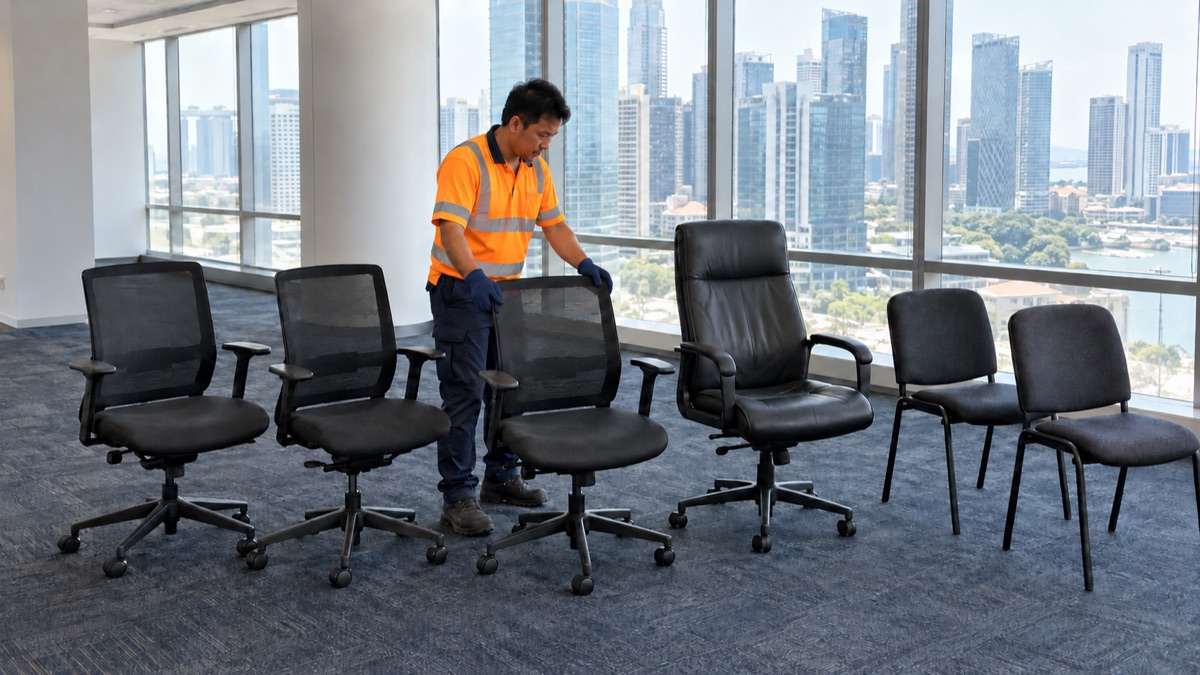
One total is useful. A breakdown is better. Swivel task chairs, high-back executive chairs and fixed-leg meeting chairs occupy different shapes of space. Group similar chairs where they already stand and take photos that show the seats, backs and bases.
| Chair group | What to record |
|---|---|
| Task chairs | Quantity, arms or no arms, mesh or upholstered backs, and any damaged bases or castors. |
| Executive chairs | Quantity, overall size and bulky high backs or armrests. |
| Meeting and visitor chairs | Quantity and fixed-leg or cantilever design; identify models intended to stack. |
| Other seating | Photograph stools, benches and reception seating separately instead of counting them as ordinary desk chairs. |
Say your Tanjong Pagar office has twelve task chairs, four meeting chairs and one large reception armchair. Send those three groups as three lines. Include chairs tucked under desks or borrowed by another room so the count does not change when the crew arrives.
Mark what stays and who owns it
Check the disposal list with the person responsible for the office contents. Leased furniture, a landlord’s chairs and staff-owned seating need a decision from the right owner. This is an inventory step, not a legal assumption about who may throw something away.
Put retained chairs in a separate area with clear labels. If staff can take chairs home, record who is taking each one and the collection deadline. Update the removal count after those handovers. A chair that disappears from the row should disappear from your inventory too.
For a larger mix of desks, cabinets and seating, send everything in one request and use our office-furniture disposal guide. We can assess the complete unwanted load. We do not move the retained office furniture to your new premises.
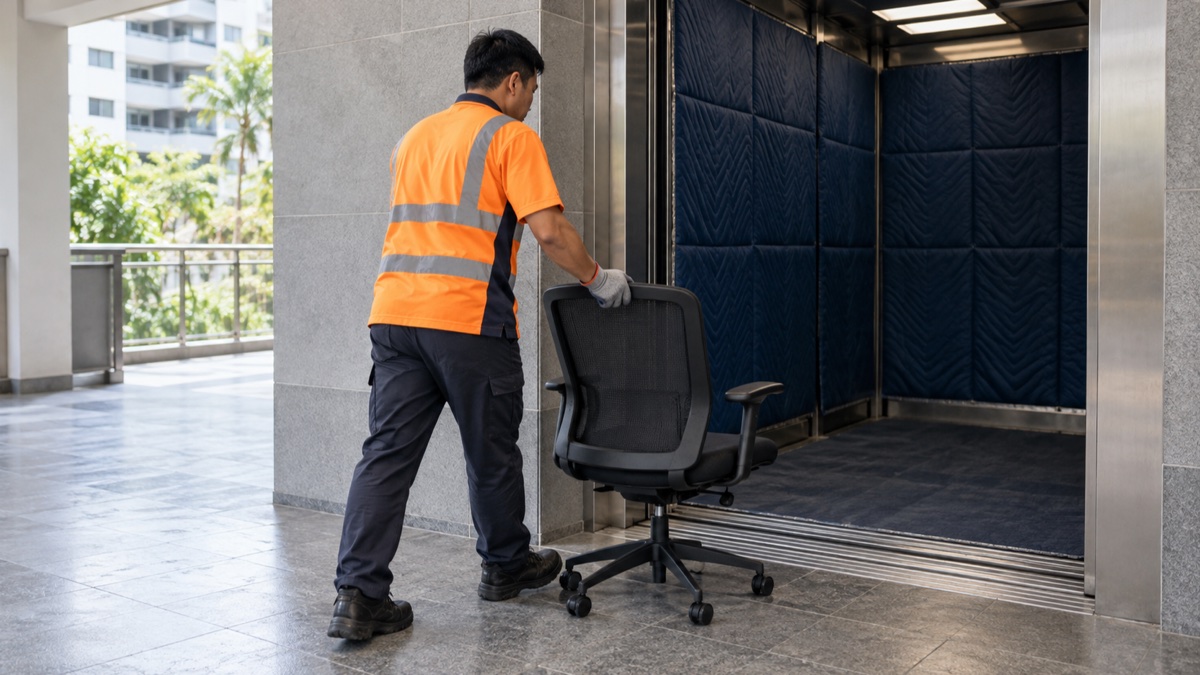
Stage chairs sensibly; leave the gas lift alone
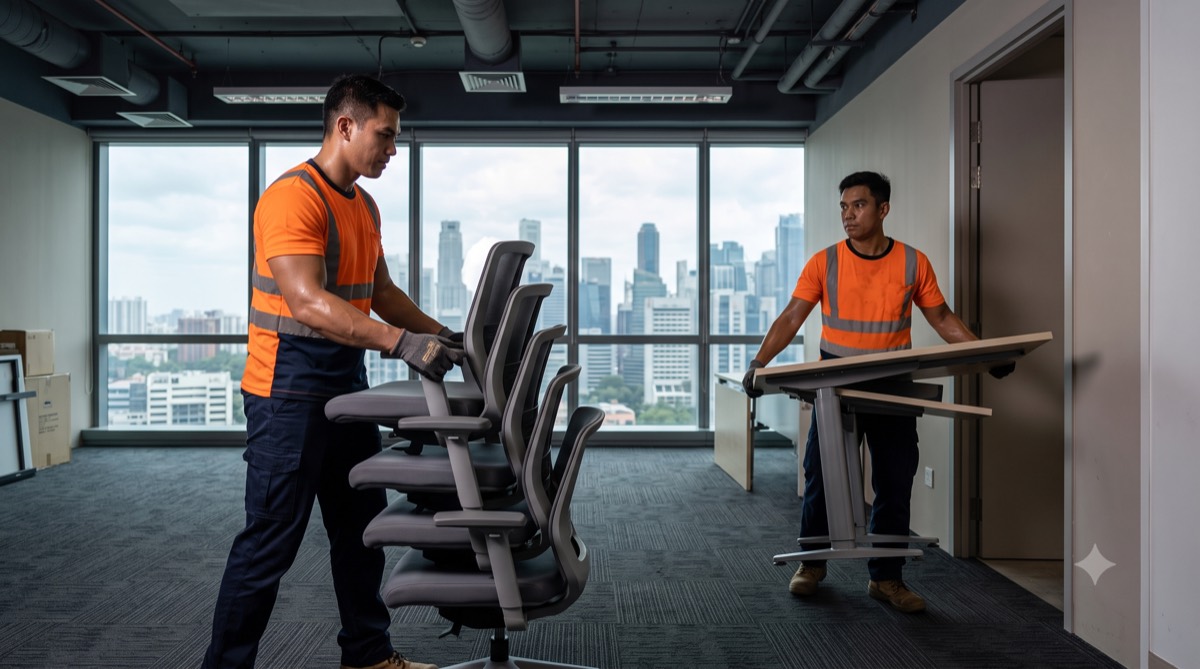
Keep swivel chairs standing on their bases on a level floor. Don’t balance them seat-to-seat or build a tower to make the room look tidier. Stack only chairs designed for stacking, following their manufacturer’s instructions. The crew can plan the loading arrangement from the actual chair types.
Leave gas-lift mechanisms intact. The manufacturer’s instructions for the MARKUS chair, for example, reserve repair or replacement of its seat-height energy-accumulator components for trained personnel. That is a good reason not to turn disposal preparation into cylinder repair. Show a damaged or detached mechanism in the photos and describe it.
You do not need to remove every base or armrest to request a quote. Photograph the chairs assembled. If dismantling is needed for the collection, let us assess it as part of the work. Don’t experiment with tools while the office administrator is trying to finish the handover checklist.
Book the building route, not just a calendar slot
Get the removal procedure from building management. Your office door, the service corridor, the goods lift and the loading bay all need to line up for the collection window. A booking for one part of that route does not tell us the rest.
- Goods lift: available slot, usable opening and any protection the building requires.
- Loading bay: entry point, vehicle restrictions and where the crew should report.
- Access paperwork: any forms, contractor details or deposits management requires for your job.
- Contact person: someone on site who can open the office and identify the final load.
In a Raffles Place tower, the collection vehicle may approach a different entrance from the lobby your staff use. Send the loading entrance details, not just the office postcode. In a business-park unit, show any steps between the service lift and your door. Keep the route clear rather than lining it with the entire chair fleet.
After-hours collection needs two schedules to match
If the office is occupied during the day, an evening or weekend window may be more practical. Tell us the building’s permitted removal hours and your preferred slot. Availability needs to work for both the building and the collection crew; a quiet office does not automatically mean an open loading bay.
Give one person responsibility for access through to completion. Make sure they have the keys or access arrangements needed for the route, and the final inventory on their phone. Staff departure time should not accidentally become the time the collection loses its contact person.
Got the final chair list and loading window? Send them together so we can price the complete job.
Get my price on WhatsAppFit disposal into the move or reinstatement sequence
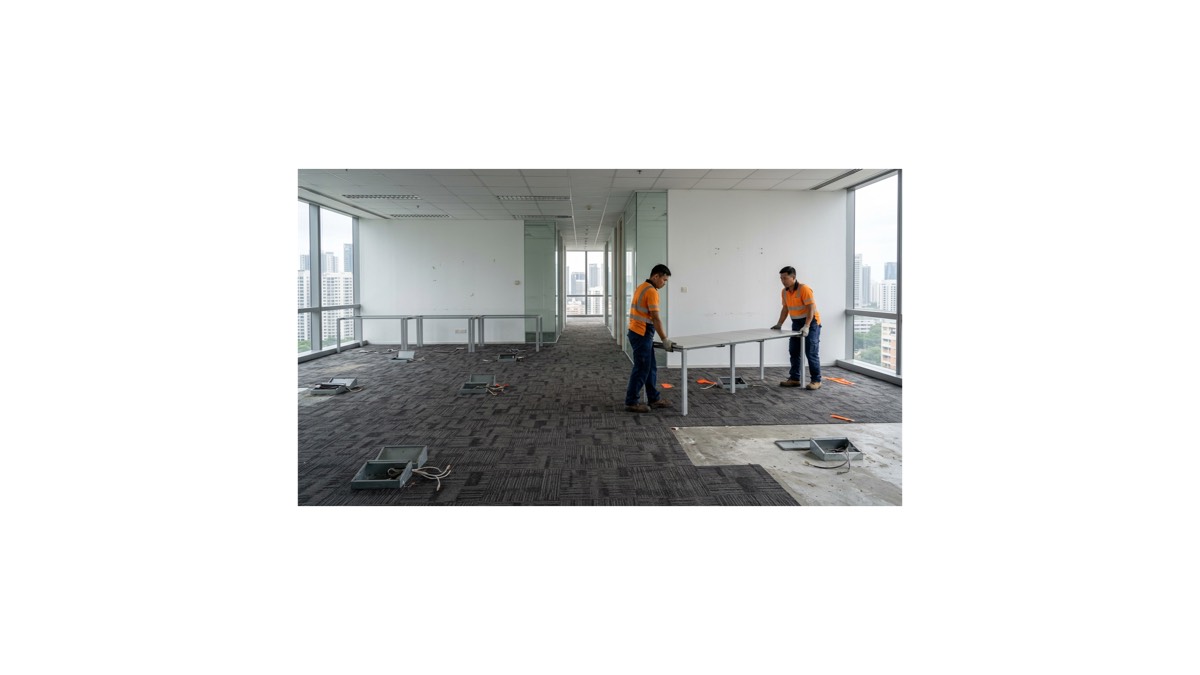
Book removal of unwanted chairs after the keep-or-go decisions and ahead of work that needs the floor clear. Share the key-return deadline as well as the preferred pickup date. Our office reinstatement clearance guide helps place furniture removal in that wider sequence; renovation debris is outside this chair-disposal scope.
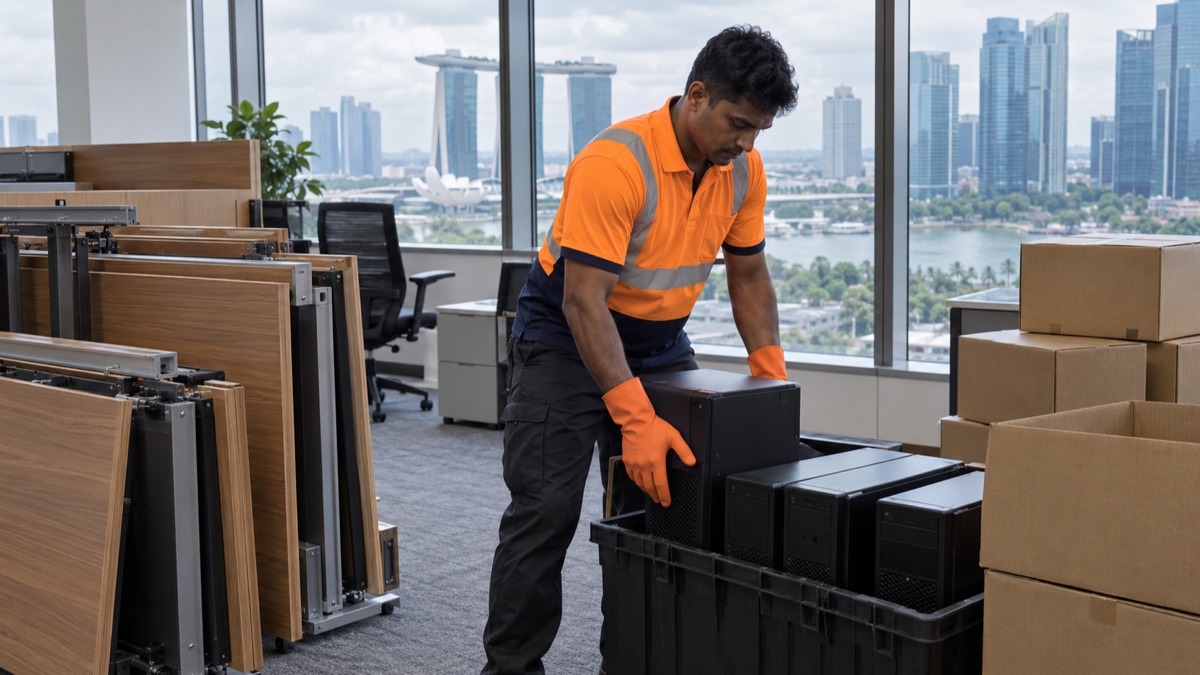
Keep monitors, loose batteries, confidential records and other specialist streams out of the chair count. Use the office-waste guide to separate those tasks. A photo of the whole room is useful context, but it should not leave anyone guessing whether the equipment on the desks is included.
Finish with one WhatsApp brief: chair types and quantities, group photos, any damage, floor, lift route, loading instructions and collection window. We quote for that agreed job. If another department adds its spare chairs, send the extra photos and count so the plan stays accurate.