 Bulky Buddy
An office clear-out can look like one big pile: desks, dead computers, archive boxes and the contents of the pantry. Split it up before booking the lorry. Furniture needs a carry. IT needs a data decision. Confidential files need someone to say what can go.
Start with an inventory and give each group an owner. Then put facilities, IT and the collector on the same page. For the collection quote, send photos, access details and your handover date through our office and commercial clearance service.
Got the photos? Send them with your floor and lift access for a fixed quote.
Get my priceSort office waste into five groups
| Group | What to settle |
|---|---|
| Furniture | What stays, what can be reused, what goes — and what needs dismantling. |
| E-waste and IT | Who clears the data and which operator accepts the equipment. |
| Paper and confidential files | What must be kept and what is cleared for secure destruction. |
| General trade waste | Who takes routine refuse, pantry waste and ordinary recyclables. |
| Reinstatement debris | Which contractor removes waste from the works and does the final cleanup. |
Keep these groups separate inside the unit. Mark what is ready to leave and what is still waiting for a decision. Leased equipment, uncleared files and live workstations stay out of the collection pile until their owners give the go-ahead.
Give each group a destination as well as an owner. A row marked “old computers” is only half a plan. The person booking collection should know who releases them and who receives them.
Check who can collect each waste type
NEA licenses general waste collectors, which primarily serve commercial and industrial premises. Collectors can hold licences for one or more waste classes. Class A includes unwanted furniture, construction and renovation debris, bulky waste and non-food recyclables. Class B covers putrefiable organic waste, including domestic refuse and food waste, excluding used cooking oil.
Show the collector your list and ask which classes their licence covers. Get the name of the company doing the actual collection, including anyone handling part of the job. Keep that answer with the quote.
Regulated e-waste needs its own collection route. Confidential records need an agreed destruction process. Flag unusual material before booking so the right operator can confirm acceptance.
Furniture: count pieces, not rooms
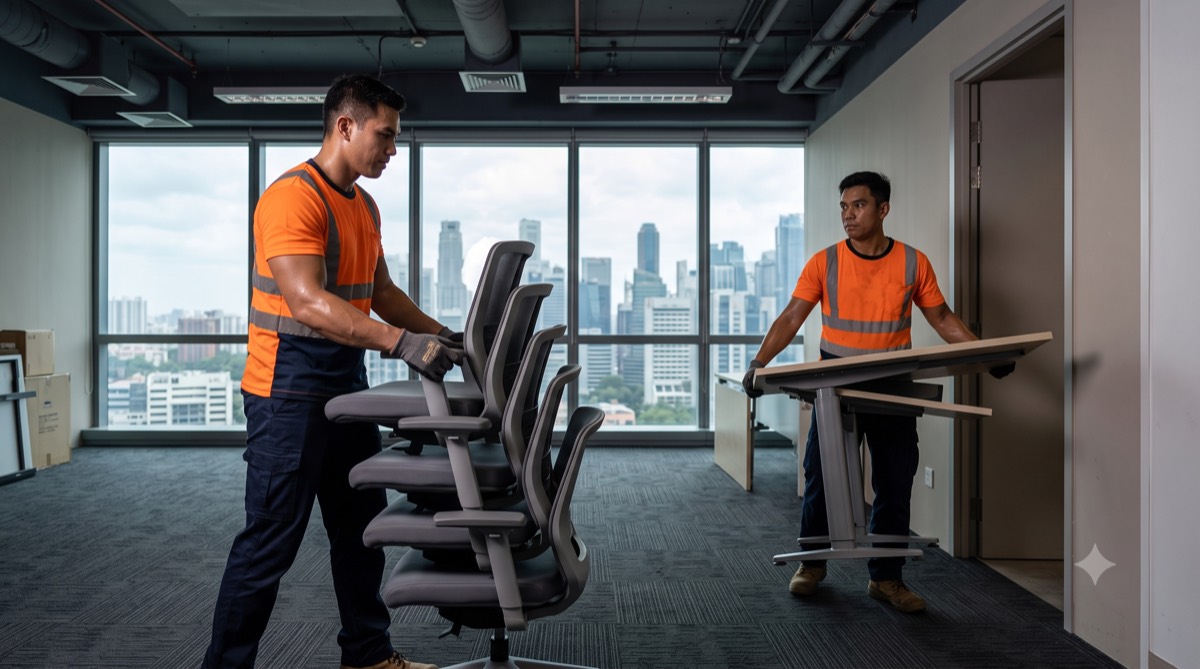
“One office” tells the crew very little. Count desks, chairs, pedestals, storage units and meeting tables. Photograph each area. Open empty cupboards so their construction is visible, and point out glass, stone tops, attached partitions and anything fixed to the building.
Agree who dismantles each piece and takes away the parts. Keep usable furniture aside while looking for a buyer or recipient. NEA lists donation, resale and repair channels by condition; send photos and get the recipient's acceptance first.
Our office furniture disposal guide covers the furniture and access brief. Use the same item list for the quote and the collection-day walkthrough, so an extra cabinet does not appear halfway through loading.
IT: let the data owner release the equipment
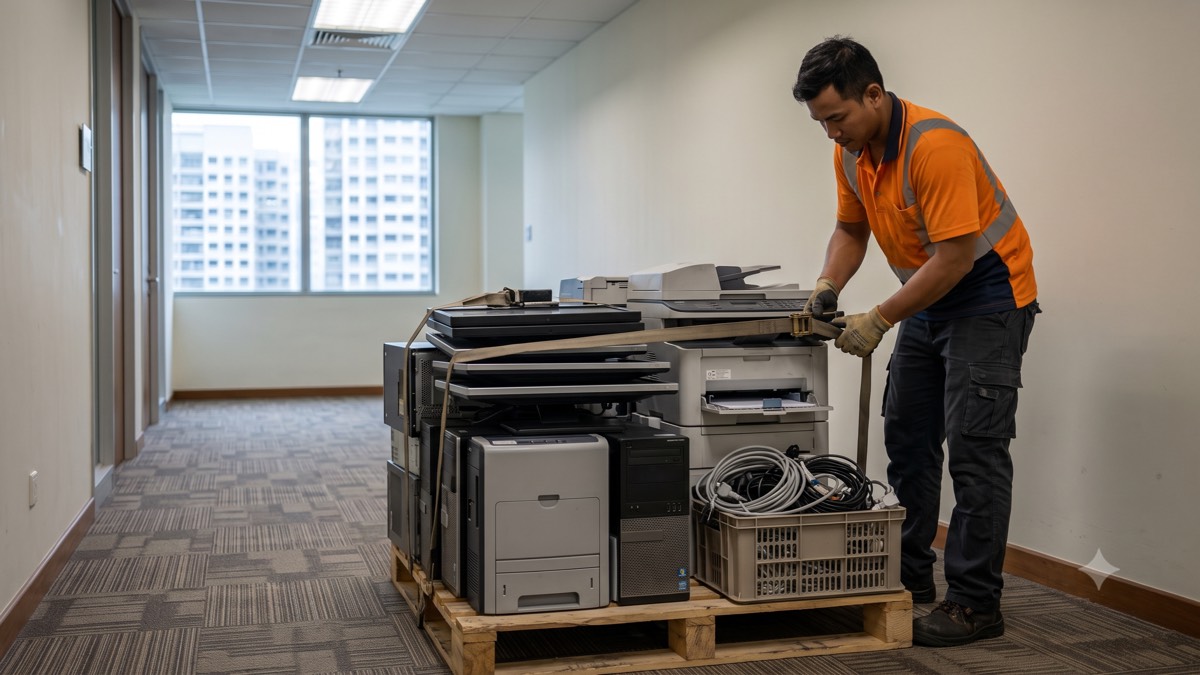
List desktops, laptops, monitors, printers, servers and loose drives separately. Check who owns them. Ask IT which devices need a data review, including machines that no longer switch on. Keep those devices under your company's control until IT clears them to leave.
NEA's e-waste framework separates regulated consumer and non-consumer products. For regulated non-consumer equipment, check the producer take-back route and its conditions. Ask the operator about the actual products and quantity rather than taking an office batch to a public bin.
The IT, computer and server disposal guide covers wiping, destruction and the records to ask a vendor for. A collection receipt records the handover. A sanitisation record deals with the data. Tell the specialist what paperwork you need before accepting the quote.
Give IT the final say. Put the release decision, equipment list and IT contact in the collection brief. The person counting chairs should not have to decide whether the server's drives can leave.
Paper: empty the cabinets into an agreed route
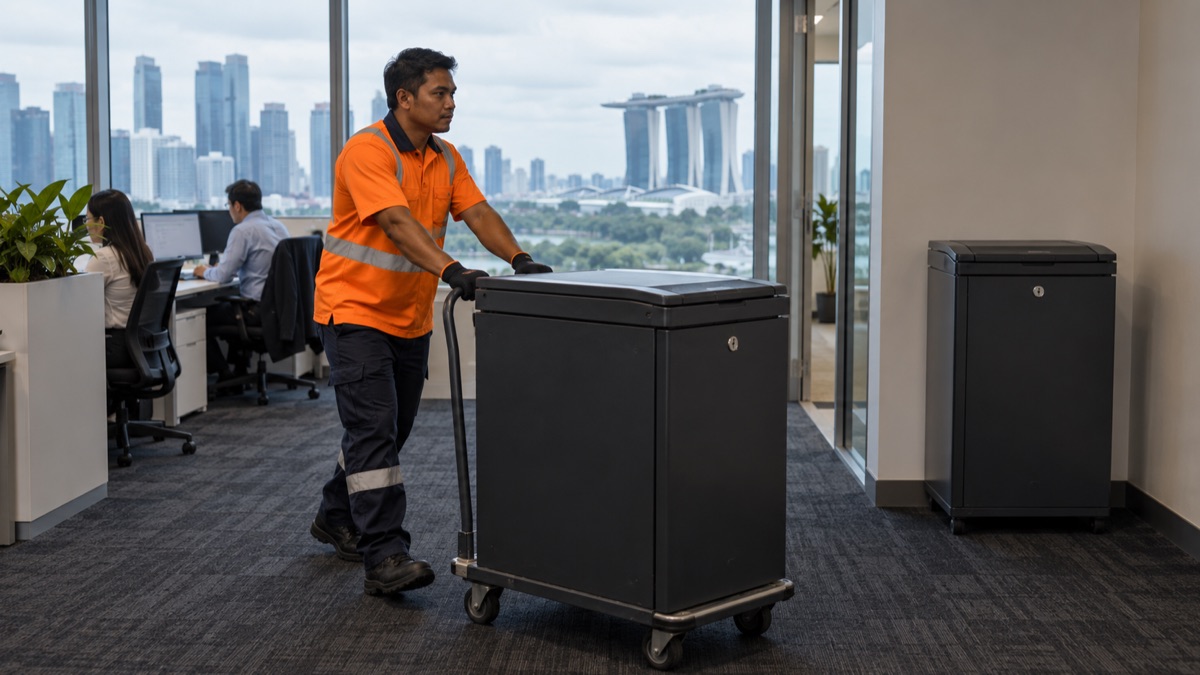
Separate ordinary paper from personal, client and business records. Have the records owner mark what must be kept and what can be destroyed. Keep archive boxes out of the furniture load until that decision is made.
Ask the document vendor about secure containers, custody during transport, the destruction method and the completion record. Choose one person to match the boxes handed over against the paperwork returned.
Use your own box references on the handover list. Keep sensitive contents off public labels and casual group chats. If a box is still awaiting approval, leave it out and mark the exception in the inventory. Anybody helping with the move should be able to see that it stays.
Routine refuse and reinstatement debris
Ask management what the building's usual refuse and recycling arrangements cover. Give them the volume and waste types from the clear-out, then get instructions for any separate pickup.
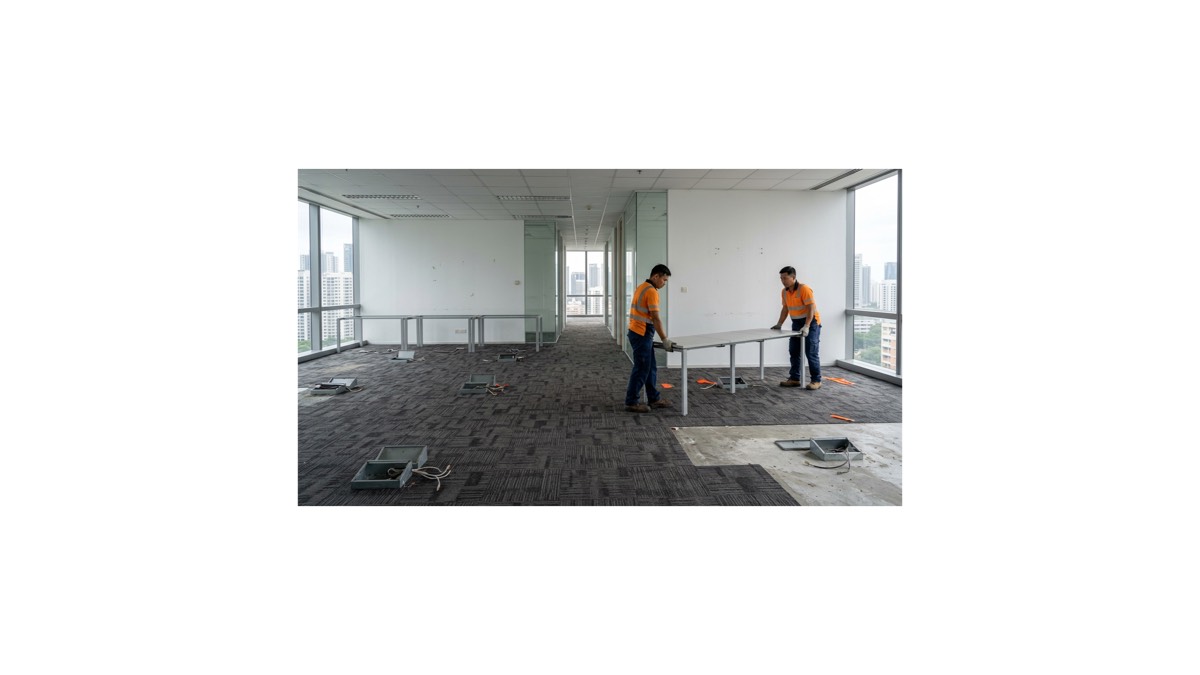
For reinstatement, put debris removal and final cleanup into the contractor's scope. Keep that work separate from loose-furniture collection on the job list. If several contractors are involved, name the person responsible for the waste left after each stage. Our reinstatement and handover guide helps set the sequence.
Item list, photos, floor and lift access — get the whole job quoted before booking.
Get my priceGet the building access sorted
Send management the date, item groups, crew contact and vehicle details when available. Ask about service-lift booking, loading-bay access, vehicle clearance, permitted hours, padding and paperwork. Get the instructions for your building, then pass them to every collector using the route.
Photograph the narrowest door, lift and path to the bay. Agree who supplies protection and who meets the crew. If the time changes, tell the document collector as well as the furniture crew. They may be sharing the same lift window.
Compare quotes for the same job
Ask each vendor to quote against the same inventory. Spell out dismantling, carrying, transport and waste routes. List specialist data and document work separately, so everyone can see what the furniture quote includes.
The office clearance quote guide explains the main factors. Before signing off the job, walk the unit with your list. Check cupboards, meeting rooms and storage areas. Keep collection records and specialist completion documents together. Photos, a clear list and a deadline are the starting point for your Bulky Buddy quote.